
Critical Illness Cover
A tax-free lump sum paid directly to you on diagnosis of a serious illness. Use it however you need: clear debt, adapt your home, take time to recover.
Critical illness (CI) cover pays a one-off, tax-free lump sum if you are diagnosed with one of the conditions specified in your policy and survive a defined period after diagnosis (usually 14–30 days). Unlike income protection, the payout is not linked to your ability to work: it is triggered by the diagnosis itself.
You receive the money as a single payment and can spend it on anything you choose: paying off a mortgage, adapting your home, funding private treatment, topping up an income protection policy, or simply buying time to recover without financial pressure. There are no restrictions on how the money is used.
The following are illustrative examples only. They do not represent real clients or actual cases. Individual policy terms, eligibility and outcomes will vary.

Richard suffered a heart attack at 48 and faced 3 months off work followed by a phased return. His CI policy paid a £150,000 lump sum on diagnosis: enough to clear the mortgage completely. With that pressure lifted, he recovered without financial anxiety and never had to return to work before he was truly ready.
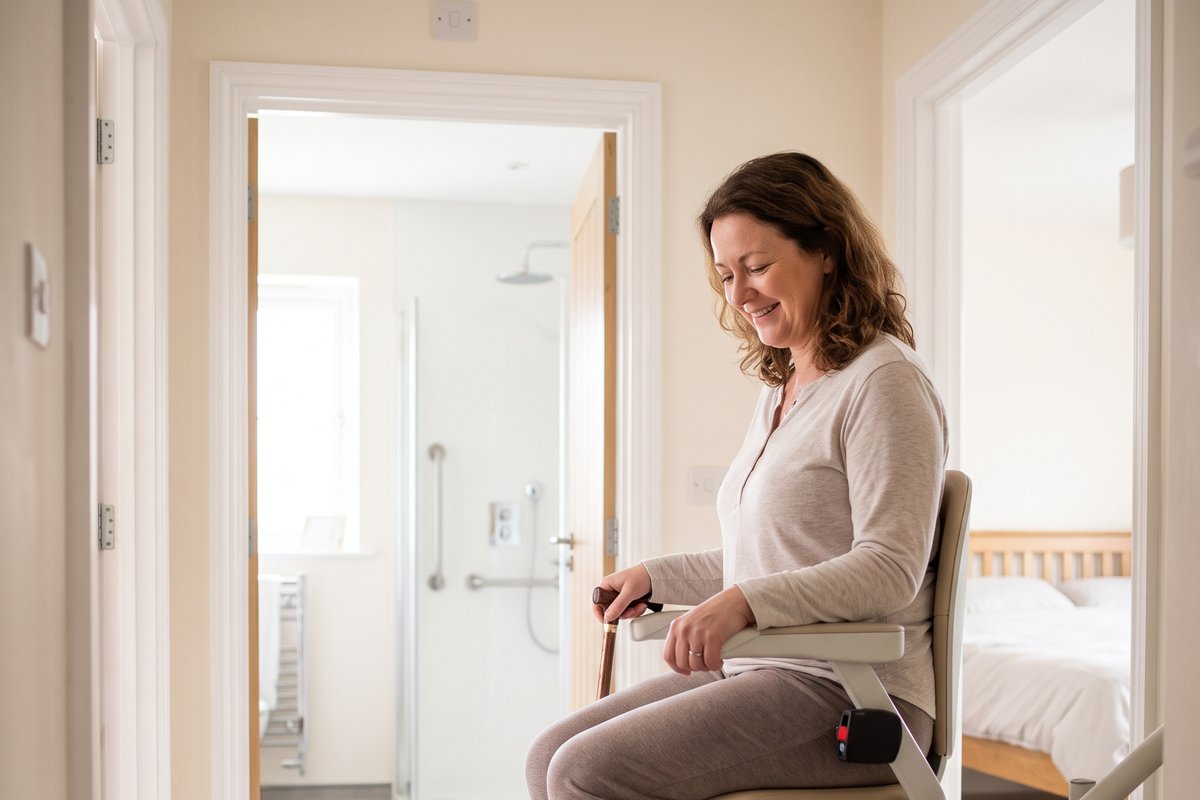
After a stroke left Clare with reduced mobility, she needed significant adaptations to her home: a stair lift, wet room conversion, and a downstairs bedroom. Her CI payout funded all of this within weeks of diagnosis, meaning she came home from hospital to a house that worked for her new needs.

Nadia, 43, was diagnosed with breast cancer while working part-time and managing childcare. The CI lump sum meant she didn't have to worry about money during treatment: she could focus entirely on recovery, pay for private aspects of her treatment not covered by the NHS, and arrange childcare properly.
Cancer (Most Types)
Subject to type and staging. Most policies cover invasive cancers; some exclude early-stage or lower-risk types. Full definitions matter here: we compare them carefully.
Heart Attack
Covered when there is definite evidence of myocardial infarction with certain criteria (ECG changes, troponin levels etc). Policy definitions vary and some are more generous than others.
Stroke with Permanent Symptoms
TIAs (transient ischaemic attacks) are generally excluded; stroke with lasting neurological deficit is covered under most policies. A key distinction when comparing.
Multiple Sclerosis
Covered once a definite diagnosis is established, typically with permanent neurological symptoms.
Major Organ Transplant
Heart, liver, kidney, pancreas, lung or bone marrow transplant as the recipient.
Total & Permanent Disability
Most policies include TPD, paying out if you are permanently unable to work in your own or any occupation depending on definition chosen.
Most comprehensive policies cover 40–100+ conditions in total, often split into full-payment and partial-payment tiers. Partial payments (typically 25% of the sum assured up to £25,000) can be triggered by less severe diagnoses such as low-grade prostate cancer or early-stage conditions. Baker Hudson Health compares policy definitions (not just premiums) to find the most comprehensive cover for your budget.
Critical illness cover is a one-off lump sum on diagnosis: ideal for clearing debt, funding home adaptations, or covering costs during treatment. It doesn't require you to be off work and pays regardless of recovery.
Income protection pays a regular monthly income if illness or injury prevents you from working: ongoing until you recover or retire. It covers a far wider range of conditions including mental health, back problems and anything that keeps you off work, but doesn't pay a lump sum.
The ideal solution is often both. A heart attack might trigger a CI lump sum to clear debt and fund recovery, while income protection provides ongoing monthly income if you can't return to work immediately. Combining them creates a comprehensive financial safety net. Baker Hudson Health will show you how both products work together and whether a combined life and CI policy makes sense for your budget.
Most CI policies extend cover to your children at no extra cost: typically covering children from 30 days to 18 years (or 21 if in full-time education). The children's benefit is usually a percentage of the parent's sum assured (commonly 25–50% up to £25,000–£30,000).
Children's CI cover can pay for private treatment, home adaptations, or simply allow a parent to take time off work to be with their child during diagnosis and treatment: without financial pressure. When comparing policies, the breadth of children's cover (and whether it's included or costs extra) is a key differentiator.
Independent & Regulated
FCA authorised. We work for you, not the insurers: impartial advice with no exceptions.
We Compare Definitions, Not Just Premiums
CI policies can look similar in price but differ enormously in what they actually cover. We go beyond the premium to compare policy definitions, partial payment tiers, and exclusions.
Built on Trust & Honesty
Baker Hudson Health was founded on solid relationships. We do all the work on your behalf: your interests always come first.
Get Your Critical Illness Quote
Compare cover from the UK's leading insurers. Instant online quote or speak to an adviser.

Your Future Protected
Expert insurance advice for those who demand the best. Tailored protection for your life and business.
Understand Your Needs
We take time to understand exactly what you need and why.
Find the Best Options
We search the market to find premium solutions tailored to you.
Complete Support
We manage everything from setup through to claims support.
Independent & Regulated
FCA authorised. We work for you, not the insurers.
Expert Advisers
Decades of experience across all protection products.
Significant Savings
Our clients typically save 30% on their renewal when switching.
Ready for Expert Protection?
Let's find the right coverage for your life and business. No pressure, no commitment.
Cirencester Road, Stroud
GL6 8PE